
SPECIALIST ENDOCRINE CARE
Thyroid Removal Surgery in Lebanon Specialized Thyroid Surgery with a Focus on Precision, Safety & Function
Thyroid removal surgery, or thyroidectomy, may be recommended when a thyroid condition cannot be appropriately managed through monitoring, medication, or other treatments.
Book Your Consultation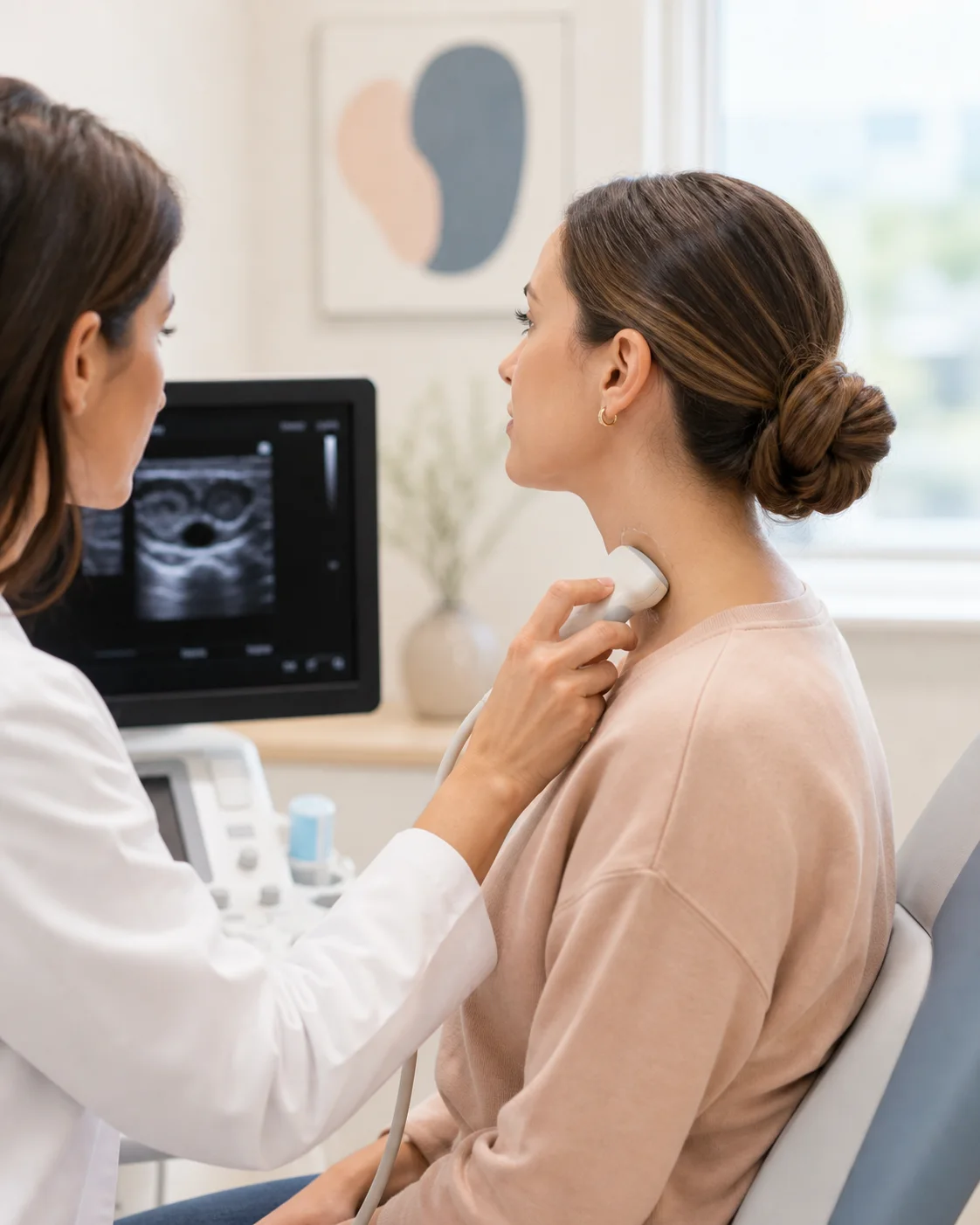
Dr. Joseph Gharios provides thyroid removal surgery in Lebanon for patients with thyroid cancer, suspicious thyroid nodules, goiter, hyperthyroidism, and other conditions requiring surgical treatment.
Every case is evaluated individually using clinical examination, thyroid ultrasound, laboratory investigations, biopsy results when indicated, and evidence-based guidelines to determine whether surgery is necessary and how much of the thyroid should be removed.
Understanding Thyroid Removal Surgery
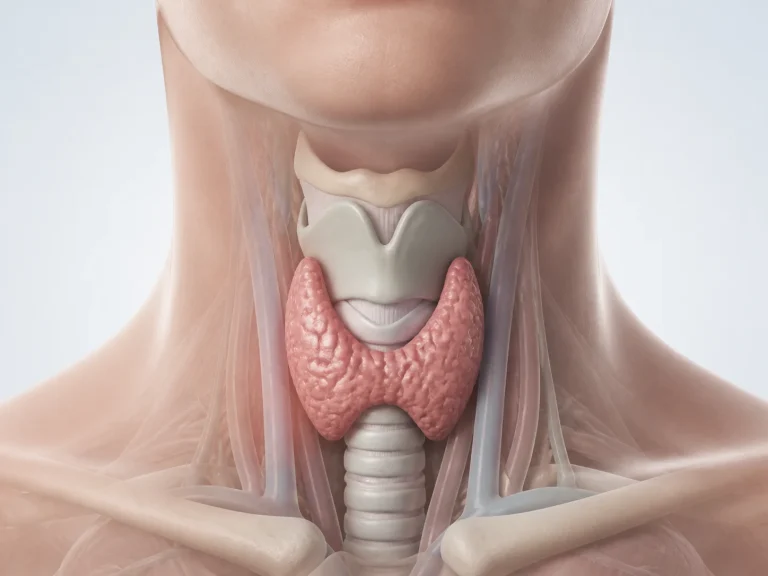
Thyroid removal surgery involves removing part or all of the thyroid gland depending on the diagnosis and extent of disease.
Surgery may be considered based on factors including:
- Thyroid nodule characteristics
- Fine-needle aspiration (FNA) biopsy results
- Ultrasound findings
- Nodule size or continued growth
- Compression symptoms
- Thyroid hormone function
- Suspicion or diagnosis of thyroid cancer
- Presence of a symptomatic goiter
Not every thyroid condition requires surgery. Some thyroid nodules can be safely monitored, while selected benign nodules may be suitable for minimally invasive treatment such as Radiofrequency Ablation (RFA).
Conditions That May Require Thyroid Surgery
Thyroid Nodules
Thyroid nodules are common and are frequently discovered during physical examination or imaging.
Most thyroid nodules are benign and do not require removal. Surgery may be considered when a nodule is suspicious, causes symptoms, continues to grow, or has biopsy findings that indicate a need for surgical treatment.
Thyroid Cancer
Surgery is a central treatment for many patients diagnosed with thyroid cancer.
The extent of surgery is determined according to the type and size of the cancer, its location, lymph node involvement, imaging and pathology findings, and individual patient factors.
Common types include:
- Papillary thyroid carcinoma
- Follicular thyroid carcinoma
- Medullary thyroid carcinoma
Treatment planning is individualized according to the diagnosis and current clinical guidelines.
Goiter
A goiter is an enlargement of the thyroid gland. Depending on its size and location, it may cause:
- Visible neck swelling
- Difficulty swallowing
- Pressure or tightness in the neck
- Breathing difficulties
Thyroid removal surgery may be considered when a goiter causes significant symptoms, continues to enlarge, or has suspicious features.
Hyperthyroidism & Graves' Disease
Surgery may be an option for selected patients with Graves' disease or other causes of hyperthyroidism when medical treatment or radioactive iodine is unsuitable, unsuccessful, or not preferred after appropriate evaluation.
Types of Thyroid Removal Surgery
The amount of thyroid tissue removed depends on the underlying condition.
Total Thyroidectomy
A total thyroidectomy involves removing the entire thyroid gland.
It may be indicated for conditions such as:
- Certain thyroid cancers
- Large or bilateral multinodular goiter
- Graves' disease
- Selected bilateral thyroid conditions
Patients undergoing total thyroidectomy generally require thyroid hormone replacement after surgery.
Hemithyroidectomy / Thyroid Lobectomy
A hemithyroidectomy, also called a thyroid lobectomy, involves removing one lobe of the thyroid.
It may be considered for:
- Selected solitary thyroid nodules
- Indeterminate biopsy findings
- Certain low-risk thyroid cancers
- Disease limited to one thyroid lobe
The decision between lobectomy and total thyroidectomy is made according to the patient's diagnosis and individual clinical findings.
Completion Thyroidectomy
A completion thyroidectomy involves removing the remaining thyroid tissue after a previous partial thyroid operation.
It may be recommended when final pathology or subsequent clinical findings indicate that additional thyroid tissue should be removed.
Safety During Thyroid Surgery
The thyroid gland is located close to structures that play important roles in voice and calcium regulation. For this reason, careful identification and preservation of these structures are central to thyroid surgery.
Intraoperative Nerve Monitoring (IONM)
The recurrent laryngeal nerves control vocal cord movement and run close to the thyroid gland.
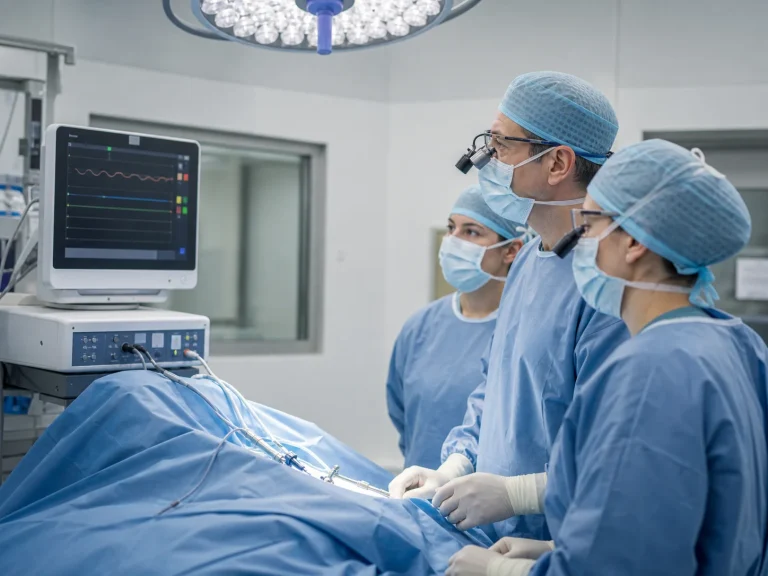
Intraoperative nerve monitoring can be used during thyroid surgery to help identify and assess nerve function, providing an additional source of information to the surgeon during the procedure.
Parathyroid Gland Preservation
The parathyroid glands regulate calcium levels in the body and are located close to the thyroid.
During thyroid removal surgery, attention is given to identifying and preserving healthy parathyroid glands and their blood supply whenever possible.
When Surgery May Not Be Necessary
Finding a thyroid nodule does not automatically mean that the thyroid needs to be removed.
Depending on the diagnosis, alternatives may include:
- Clinical and ultrasound monitoring
- Medical management
- Radioactive iodine for selected conditions
- Radiofrequency Ablation (RFA) for selected benign thyroid nodules
Treatment should be based on the characteristics of the thyroid condition rather than surgery being considered automatically.
Radiofrequency Ablation for Benign Thyroid Nodules
For selected patients with a benign thyroid nodule, Radiofrequency Ablation (RFA) may provide a minimally invasive alternative to thyroid removal surgery.
RFA uses thermal energy under ultrasound guidance to reduce the volume of the nodule while preserving thyroid tissue.
References
- American Thyroid Association (ATA)
- European Society of Endocrine Surgeons (ESES)
- American Association of Endocrine Surgeons (AAES)
- National Comprehensive Cancer Network (NCCN)
Frequently Asked Questions
When is thyroid removal surgery necessary?
Thyroid surgery may be recommended for thyroid cancer, suspicious nodules, symptomatic goiter, certain cases of hyperthyroidism, or other thyroid conditions where surgery is considered the most appropriate treatment.
Does every thyroid nodule need to be removed?
No. Most thyroid nodules are benign, and many can be monitored without surgery. Treatment depends on ultrasound characteristics, biopsy findings, symptoms, size, growth, and individual risk factors.
What is the difference between a thyroid lobectomy and total thyroidectomy?
A thyroid lobectomy removes one lobe of the thyroid, while a total thyroidectomy removes the entire thyroid gland. The appropriate procedure depends on the diagnosis and extent of disease.
Can thyroid removal surgery affect the voice?
The nerves responsible for vocal cord movement are located close to the thyroid gland. Identifying and preserving these nerves is an important part of thyroid surgery. Intraoperative nerve monitoring may also be used as an additional safety tool.
Will I need medication after my thyroid is removed?
After total thyroidectomy, thyroid hormone replacement is generally required. After removal of one thyroid lobe, the remaining thyroid may produce sufficient hormone, although thyroid function should be monitored.
Is there an alternative to thyroid removal surgery for benign nodules?
For selected benign thyroid nodules, monitoring or Radiofrequency Ablation (RFA) may be considered depending on the nodule's characteristics and the patient's symptoms.