
Gallbladder Stone Surgery in Lebanon Laparoscopic Treatment for Gallstones & Gallbladder Disease
Gallstones are common and may remain unnoticed for years. However, when they cause recurrent pain, inflammation, or other complications, surgical removal of the gallbladder may be recommended.
Book Your Consultation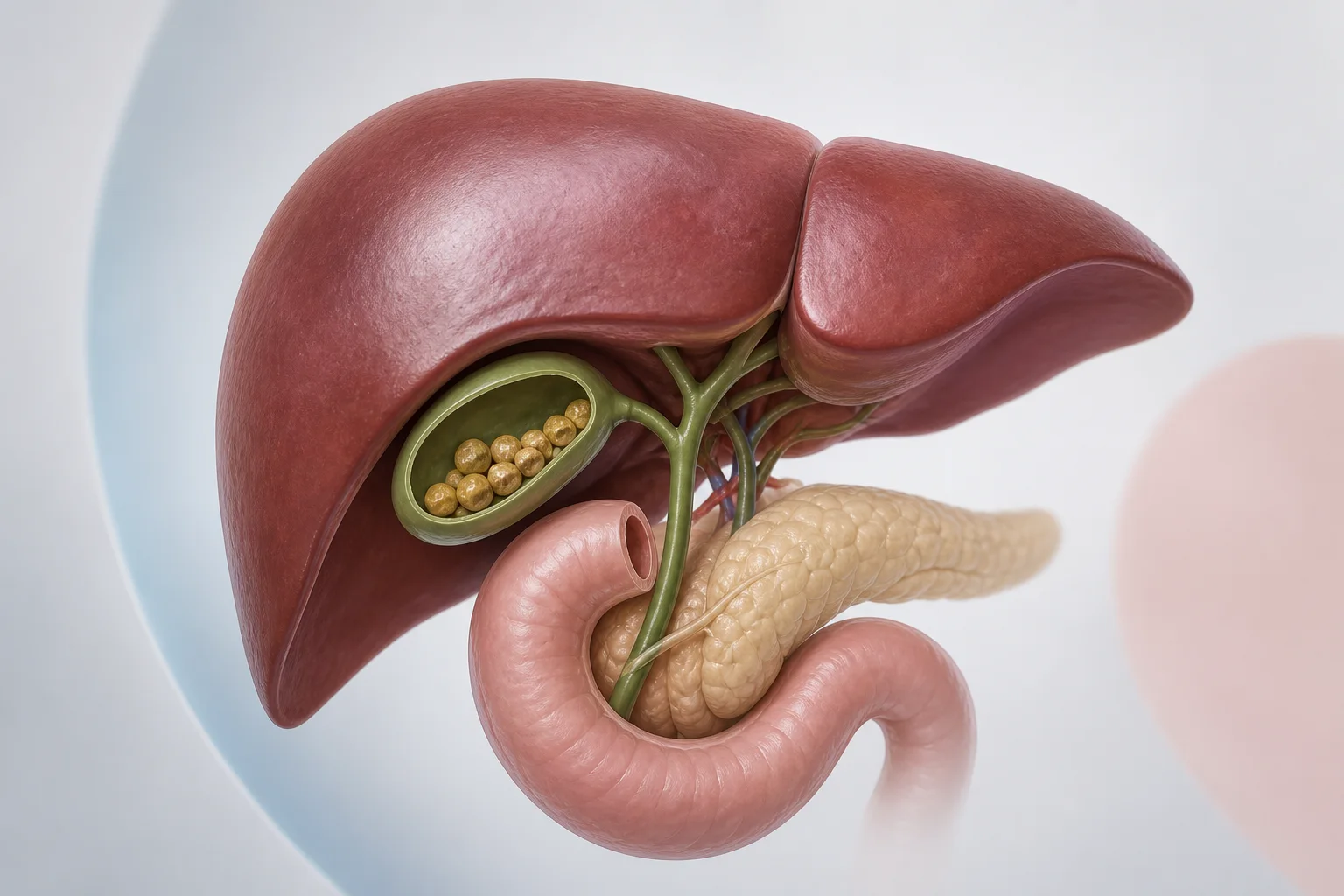
Dr. Joseph Gharios provides gallbladder stone surgery in Lebanon, with treatment based on symptoms, imaging findings, medical history, and the presence of complications.
When surgery is indicated, laparoscopic cholecystectomy is commonly used to remove the gallbladder through small incisions, supporting a less invasive approach and faster recovery.
Understanding Gallstones
Gallstones are hardened deposits that form inside the gallbladder, a small organ located beneath the liver that stores bile.
Many people with gallstones have no symptoms and may not require treatment. When gallstones block the normal flow of bile, however, they can cause pain, inflammation, or complications that require medical evaluation.
Common symptoms may include:
- Pain in the upper right or upper central abdomen
- Pain after eating, particularly after fatty meals
- Pain that may radiate toward the back or right shoulder
- Nausea or vomiting
- Recurrent episodes of abdominal discomfort
Symptoms should be evaluated to determine whether they are caused by gallstones and whether surgery is appropriate.
When Is Gallbladder Surgery Recommended?
The presence of gallstones alone does not always mean that surgery is necessary.
Gallbladder removal may be considered for conditions including:
- Symptomatic gallstones
- Recurrent biliary colic
- Acute cholecystitis
- Chronic cholecystitis
- Selected gallbladder polyps
- Gallstone-related complications
The decision to proceed with surgery is individualized according to symptoms, ultrasound findings, medical history, and overall clinical condition.
Laparoscopic Cholecystectomy
A laparoscopic cholecystectomy is the surgical removal of the gallbladder using minimally invasive techniques.
During the procedure, a camera and specialized surgical instruments are introduced through small abdominal incisions. The gallbladder is carefully separated from surrounding structures and removed.
For appropriately selected patients, lap gallbladder surgery in Lebanon may offer benefits such as:
- Smaller incisions
- Reduced postoperative discomfort
- Shorter hospital stay
- Faster return to daily activities
- Smaller surgical scars
The surgical approach is determined according to the patient's condition and the complexity of the gallbladder disease.
Acute Cholecystitis
Acute cholecystitis is inflammation of the gallbladder, commonly caused by a gallstone blocking the gallbladder outlet.
Symptoms may include:
- Persistent upper abdominal pain
- Fever
- Nausea or vomiting
- Abdominal tenderness
Patients with suspected acute cholecystitis require medical assessment to confirm the diagnosis and determine the appropriate timing of treatment.
For selected patients, laparoscopic gallbladder removal may be recommended as part of definitive treatment.
Biliary Colic
Biliary colic occurs when a gallstone temporarily blocks the flow of bile from the gallbladder.
It commonly causes episodes of upper abdominal pain that may occur after eating and can last from several minutes to several hours.
Recurrent episodes may indicate symptomatic gallstone disease and can be an indication for surgical evaluation.
Gallbladder Polyps
Gallbladder polyps are growths that develop on the inner lining of the gallbladder.
Many are benign and can be monitored. However, certain polyps may require surgical removal of the gallbladder depending on factors such as:
- Polyp size
- Growth over time
- Imaging characteristics
- Symptoms
- Individual risk factors
Treatment is determined after appropriate imaging and clinical evaluation.
Evaluation Before Gallbladder Surgery
Before recommending gallbladder stone surgery, evaluation may include:
- Medical history and symptom assessment
- Physical examination
- Abdominal ultrasound
- Blood tests
- Liver function tests
- Additional imaging when clinically indicated
This assessment helps confirm that symptoms are related to gallbladder disease and identifies potential complications that may influence treatment.
What Happens After Gallbladder Removal?
The gallbladder stores bile but is not essential for normal digestion.
After gallbladder removal, bile continues to travel directly from the liver into the intestine. Most patients can return to a normal diet over time, although temporary digestive changes may occur during recovery.
Postoperative guidance may include:
- Wound care
- Progressive return to normal eating
- Early walking and movement
- Pain management
- Guidance on returning to work and exercise
- Follow-up after surgery
Recovery varies according to the individual patient and the complexity of the procedure.
References
- Society of American Gastrointestinal and Endoscopic Surgeons (SAGES)
- European Association for Endoscopic Surgery (EAES)
- Evidence-based clinical guidelines for gallstone disease and laparoscopic cholecystectomy
Frequently Asked Questions
Do all gallstones require surgery?
No. Gallstones that do not cause symptoms may not require treatment. Surgery is generally considered when gallstones cause symptoms, inflammation, or other complications.
What is laparoscopic gallbladder surgery?
Laparoscopic cholecystectomy is a minimally invasive procedure that removes the gallbladder through small abdominal incisions using a camera and specialized instruments.
Is the gallbladder removed or just the stones?
For symptomatic gallstone disease requiring surgery, treatment generally involves removal of the gallbladder rather than removing only individual stones, because stones can form again if the gallbladder remains.
Can I live normally without a gallbladder?
Yes. The liver continues to produce bile after gallbladder removal, and most patients can return to their usual activities and diet following recovery.
How long does recovery take after laparoscopic gallbladder surgery?
Recovery varies between patients and according to the severity of the gallbladder condition. Individual instructions are provided regarding work, exercise, diet, and normal activities.
What happens if gallstones are left untreated?
Some gallstones remain asymptomatic. Symptomatic gallstones can lead to recurrent pain or complications such as gallbladder inflammation, bile duct obstruction, or pancreatitis. Treatment depends on the individual clinical situation.
When should gallstone symptoms be evaluated urgently?
Severe or persistent abdominal pain, fever, jaundice, repeated vomiting, or worsening symptoms require prompt medical assessment.