
Bypass Surgery in Lebanon Personalized Gastric Bypass Surgery for Weight Loss & Metabolic Health
Gastric bypass is an established bariatric procedure used to support significant and sustained weight loss while improving obesity-related metabolic conditions in appropriately selected patients.
Book Your Consultation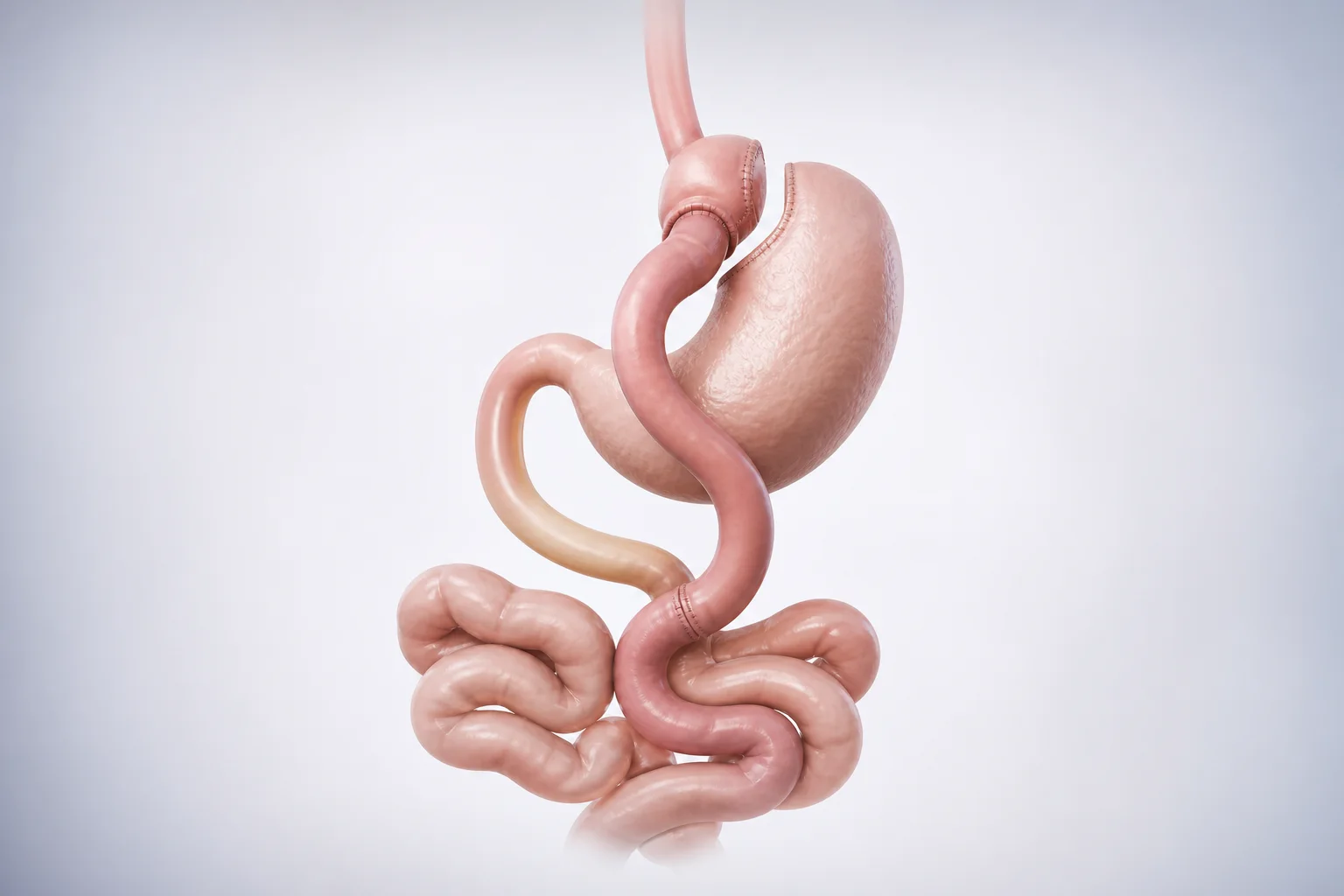
Dr. Joseph Gharios provides bypass surgery in Lebanon, with each patient carefully evaluated to determine whether gastric bypass is the most appropriate bariatric procedure and which technique best suits their individual condition.
Depending on the patient's health, anatomy, previous procedures, eating patterns, and metabolic profile, options may include Roux-en-Y Gastric Bypass (RYGB) or One Anastomosis Gastric Bypass (OAGB).
What Is a Gastric Bypass Procedure?
A gastric bypass procedure changes both the size of the functional stomach and the pathway through which food travels within the digestive system.
Unlike sleeve gastrectomy, which primarily reduces stomach size, gastric bypass combines restriction with changes to the digestive pathway that contribute to weight loss and metabolic effects.
The objective is not simply to reduce weight but to provide a long-term treatment option for obesity and associated metabolic conditions.

Who May Be a Candidate for Gastric Bypass?
Bypass surgery may be considered for appropriately selected patients with obesity after comprehensive medical and surgical evaluation.
Factors considered include:
- Body Mass Index (BMI)
- Type 2 diabetes and other metabolic conditions
- Gastroesophageal reflux disease (GERD)
- Weight and dieting history
- Previous bariatric surgery
- Eating patterns
- Overall medical condition
- Nutritional status
- Ability to maintain long-term follow-up
No single bariatric procedure is suitable for every patient. Procedure selection should be based on the individual's health profile and long-term treatment objectives.
Types of Gastric Bypass
There are different forms of gastric bypass. Dr. Gharios' bariatric practice includes two principal techniques:
Roux-en-Y Gastric Bypass (RYGB)
Roux-en-Y Gastric Bypass involves creating a small stomach pouch and connecting it to a section of the small intestine, allowing food to bypass part of the stomach and upper digestive tract.
It combines restriction with metabolic and digestive changes that support weight loss.
RYGB may be considered in selected patients with:
- Obesity requiring surgical treatment
- Type 2 diabetes
- Significant gastroesophageal reflux
- Previous bariatric procedures requiring revision
- Other appropriate metabolic indications
The decision is individualized according to the patient's medical and surgical profile.
One Anastomosis Gastric Bypass (OAGB / Omega Loop)
One Anastomosis Gastric Bypass, also known as OAGB or Omega Loop Gastric Bypass, creates a stomach pouch that is connected to the small intestine using a single gastrointestinal connection.
Like RYGB, it combines restriction with metabolic effects to support weight loss.
Selection between OAGB and Roux-en-Y Gastric Bypass depends on multiple factors, including:
- Patient anatomy
- BMI
- Metabolic conditions
- Reflux history
- Nutritional considerations
- Previous bariatric procedures
- Individual risks and expected benefits
The choice of bypass technique is made after comprehensive evaluation rather than applying one procedure to every patient.
Gastric Bypass & Metabolic Health
Bariatric surgery can affect more than body weight.
For appropriately selected patients, the metabolic effects associated with gastric bypass may contribute to improvement in obesity-related conditions such as:
- Type 2 diabetes
- High blood pressure
- Dyslipidemia
- Sleep apnea
- Other obesity-associated metabolic conditions
Individual outcomes vary, and continued medical monitoring remains important after surgery.
Gastric Bypass & Acid Reflux
The presence of gastroesophageal reflux disease can influence the choice of bariatric procedure.
For selected patients with significant GERD, Roux-en-Y Gastric Bypass may be considered as part of the surgical treatment strategy.
Before recommending a procedure, symptoms, previous investigations, anatomy, and the presence of a hiatal hernia should be evaluated.
How Is Gastric Bypass Performed?
When clinically appropriate, bypass surgery can be performed using a minimally invasive laparoscopic or robotic-assisted approach.
Potential benefits of minimally invasive surgery may include:
- Smaller incisions
- Reduced postoperative discomfort
- Shorter hospital stay
- Faster return to daily activities
The surgical approach is determined according to the patient's anatomy, previous operations, complexity of the procedure, and overall clinical condition.
Gastric Bypass vs. Sleeve Gastrectomy
Both gastric bypass and sleeve gastrectomy are established bariatric procedures, but they differ in technique and physiological effects.
Sleeve gastrectomy reduces the size of the stomach while maintaining the normal intestinal pathway.
Gastric bypass creates a smaller functional stomach and reroutes part of the digestive pathway.
Factors influencing the choice may include:
- BMI
- Type 2 diabetes
- Reflux disease
- Eating patterns
- Previous bariatric surgery
- Metabolic profile
- Individual risks
- Long-term treatment goals
Life After Gastric Bypass
Long-term follow-up is an essential part of bypass surgery.
Patients require a structured nutritional and medical plan after the procedure, which may include:
- Progressive postoperative diet
- Vitamin and mineral supplementation
- Regular blood tests
- Nutritional monitoring
- Physical activity
- Weight monitoring
- Management of metabolic conditions
- Long-term medical follow-up
Adherence to follow-up recommendations is important for maintaining health and identifying nutritional deficiencies or other concerns early.
References
- International Federation for the Surgery of Obesity and Metabolic Disorders (IFSO)
- American Society for Metabolic and Bariatric Surgery (ASMBS)
- European Association for Endoscopic Surgery (EAES)
- International evidence-based guidelines for metabolic and bariatric surgery
Frequently Asked Questions
What is a gastric bypass procedure?
Gastric bypass creates a smaller functional stomach and changes the pathway through which food travels in the digestive system. These changes support weight loss and produce metabolic effects.
What are the two types of gastric bypass offered?
The two principal techniques are Roux-en-Y Gastric Bypass (RYGB) and One Anastomosis Gastric Bypass (OAGB/Omega Loop). The appropriate technique depends on individual clinical factors.
Is gastric bypass better than sleeve gastrectomy?
Neither procedure is universally better. The appropriate choice depends on BMI, metabolic conditions, reflux, previous surgery, eating patterns, and other individual factors.
Can gastric bypass help with acid reflux?
Roux-en-Y Gastric Bypass may be considered for selected patients with obesity and significant GERD. A complete evaluation is required before determining the most appropriate treatment.
Can gastric bypass improve type 2 diabetes?
Gastric bypass can produce metabolic changes that may significantly improve type 2 diabetes in appropriately selected patients. Outcomes vary and continued medical monitoring remains important.
Is bypass surgery performed laparoscopically?
Gastric bypass is commonly performed using minimally invasive techniques when clinically appropriate. Robotic-assisted surgery may also be considered in selected cases.
Can gastric bypass be performed after previous bariatric surgery?
Yes, in selected cases. Gastric bypass may form part of a revisional or redo bariatric procedure following previous bariatric surgery, but detailed evaluation is necessary before recommending revision.
Will I need vitamins after gastric bypass?
Long-term vitamin and mineral supplementation and nutritional monitoring are generally important following gastric bypass because the procedure can affect nutrient intake and absorption.