
Anal Fistula Treatment in Lebanon Diagnosis & Surgical Management with Focus on Sphincter Preservation
An anal fistula is an abnormal tunnel that develops between the anal canal and the skin surrounding the anus, most commonly following an infection or anal abscess.
Book Your Consultation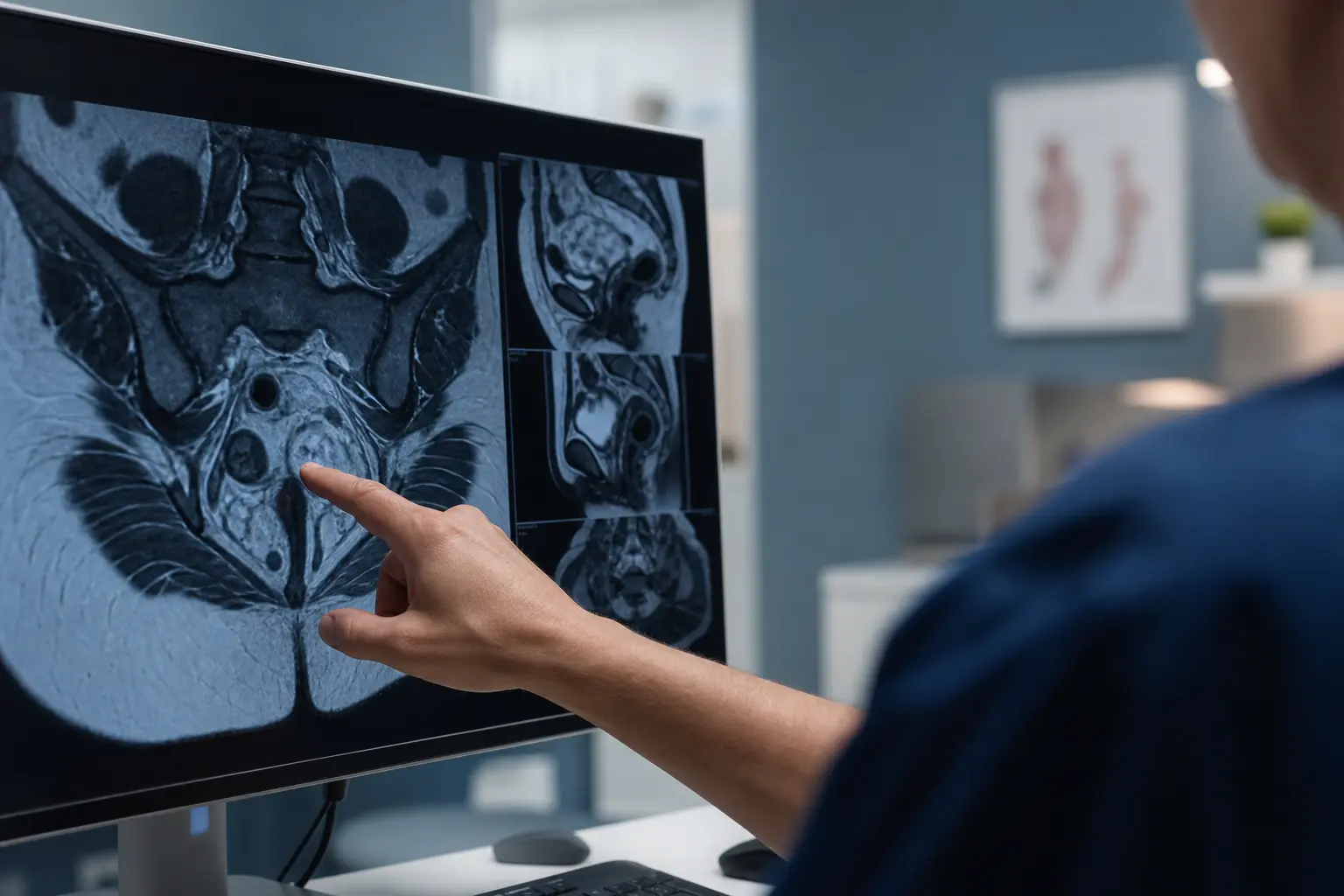
Because fistulas can vary significantly in their location and relationship to the anal sphincter muscles, accurate assessment is essential before selecting treatment.
Dr. Joseph Gharios provides anal fistula treatment in Lebanon, with the surgical approach individualized according to fistula anatomy, complexity, previous infections or procedures, and the need to preserve normal anal function.
Selected patients may also be candidates for minimally invasive techniques, including anal fistula laser surgery.
What Is an Anal Fistula?
An anal fistula is a small abnormal passage connecting the inside of the anal canal to an opening in the skin near the anus.
It commonly develops after an anal abscess. When an infected anal gland forms an abscess, drainage may occur naturally or surgically, but an abnormal tract can sometimes remain afterward.
This tract can lead to repeated episodes of infection, drainage, swelling, and discomfort.
Common Symptoms of an Anal Fistula
Symptoms may include:
- Persistent or recurrent drainage near the anus
- Pain or discomfort
- Swelling around the anal area
- Recurrent anal abscesses
- Skin irritation
- Pus or blood from an opening near the anus
- Repeated cycles of swelling followed by drainage
Symptoms can temporarily improve after an abscess drains and then return if the underlying fistula remains.
What Causes an Anal Fistula?
The most common cause is a previous anal abscess resulting from infection of a gland within the anal canal.
Other causes may exist, which is why proper assessment is important, particularly for recurrent or complex fistulas.
Understanding the origin and anatomy of the fistula helps determine the appropriate treatment strategy.
How Is an Anal Fistula Diagnosed?
Evaluation begins with a detailed history and clinical examination.
The objective is to determine:
- The location of the external opening
- The probable internal opening
- The path of the fistula tract
- Its relationship with the sphincter muscles
- Whether an abscess or active infection is present
- Whether the fistula is simple or complex
- Whether previous procedures have been performed
For selected complex or recurrent cases, additional imaging such as pelvic MRI may be required to map the fistula before treatment.
Why Is Sphincter Preservation Important?
The anal sphincter muscles play an essential role in maintaining bowel control.
Some fistulas pass through or close to these muscles. Treatment therefore requires a balance between eliminating the fistula and protecting sphincter function.
The appropriate technique depends on the fistula's anatomy rather than applying the same procedure to every patient.
Surgical Treatment of Anal Fistula
Anal fistulas generally require procedural or surgical management because the abnormal tract may persist despite temporary improvement in symptoms.
Treatment options depend on fistula anatomy and complexity.
Fistulotomy
For selected simple fistulas involving little sphincter muscle, the fistula tract may be surgically opened to allow healing from the inside outward.
Seton
A seton may be placed through selected fistulas, particularly when the tract involves the sphincter muscles or requires staged management.
Its use depends on the anatomy and treatment objectives.
Sphincter-Preserving Techniques
For fistulas involving significant portions of the sphincter, alternative techniques may be considered to treat the tract while reducing unnecessary injury to the sphincter muscles.
The appropriate procedure is determined after careful assessment.
Anal Fistula Laser Surgery
Anal fistula laser surgery is a minimally invasive option that may be considered for selected fistulas.
The technique uses laser energy within the fistula tract with the objective of closing the tract while limiting damage to surrounding tissues and preserving the sphincter muscles.
Potential advantages in appropriately selected cases may include:
- Minimally invasive treatment
- Limited tissue disruption
- Sphincter preservation
- Smaller wounds
- Potentially easier postoperative recovery
However, laser treatment is not suitable for every type of anal fistula. Fistula anatomy, branching, previous procedures, infection, and sphincter involvement must be assessed before determining whether a laser approach is appropriate.
Anal Abscess vs. Anal Fistula
An anal abscess and an anal fistula are related but different conditions.
An anal abscess is an infected cavity containing pus and may cause acute pain, swelling, redness, or fever.
An anal fistula is an abnormal tract that may remain after an abscess has drained.
Some patients first seek medical attention for recurrent abscesses before an underlying fistula is identified.
Recovery After Anal Fistula Treatment
Recovery depends on the type and complexity of the fistula and the procedure performed.
Post-treatment care may include:
- Appropriate wound care
- Pain management
- Maintaining soft bowel movements
- Adequate hydration and fiber intake
- Hygiene of the treated area
- Monitoring for recurrent swelling or drainage
- Scheduled follow-up
Follow-up is important to assess healing and identify persistent or recurrent disease.
References
- American Society of Colon and Rectal Surgeons (ASCRS)
- European Society of Coloproctology (ESCP)
- Evidence-based clinical guidelines for anorectal abscess and anal fistula management
Frequently Asked Questions
Can an anal fistula heal without treatment?
Anal fistulas often persist because an abnormal tract has formed between the anal canal and surrounding skin. Proper evaluation is necessary to determine the appropriate treatment.
Is an anal fistula the same as an abscess?
No. An abscess is an infected collection of pus, while a fistula is an abnormal tract that can develop following an abscess.
What is anal fistula laser surgery?
Anal fistula laser surgery is a minimally invasive technique that uses laser energy within the fistula tract. It may be considered for selected patients depending on fistula anatomy and complexity.
Is laser treatment suitable for every anal fistula?
No. Laser treatment is not appropriate for every fistula. The decision depends on the fistula tract, branching, sphincter involvement, previous procedures, and other clinical factors.
Why is the sphincter important when treating a fistula?
The anal sphincter controls bowel continence. Treatment planning aims to eliminate the fistula while preserving sphincter function whenever possible.
Can an anal fistula return after surgery?
Recurrence can occur after anal fistula treatment. Risk depends on factors such as fistula complexity, branching, infection, previous treatment, and the technique used.
Do I need imaging before anal fistula surgery?
Not every patient requires imaging. Pelvic MRI or other investigations may be recommended for selected complex, recurrent, or difficult-to-map fistulas.