
Keyhole Surgery in Lebanon Advanced Laparoscopic Techniques for Minimally Invasive Surgical Care
Keyhole surgery, also known as laparoscopic surgery, is a minimally invasive surgical approach performed through several small incisions rather than one large incision.
Book Your Consultation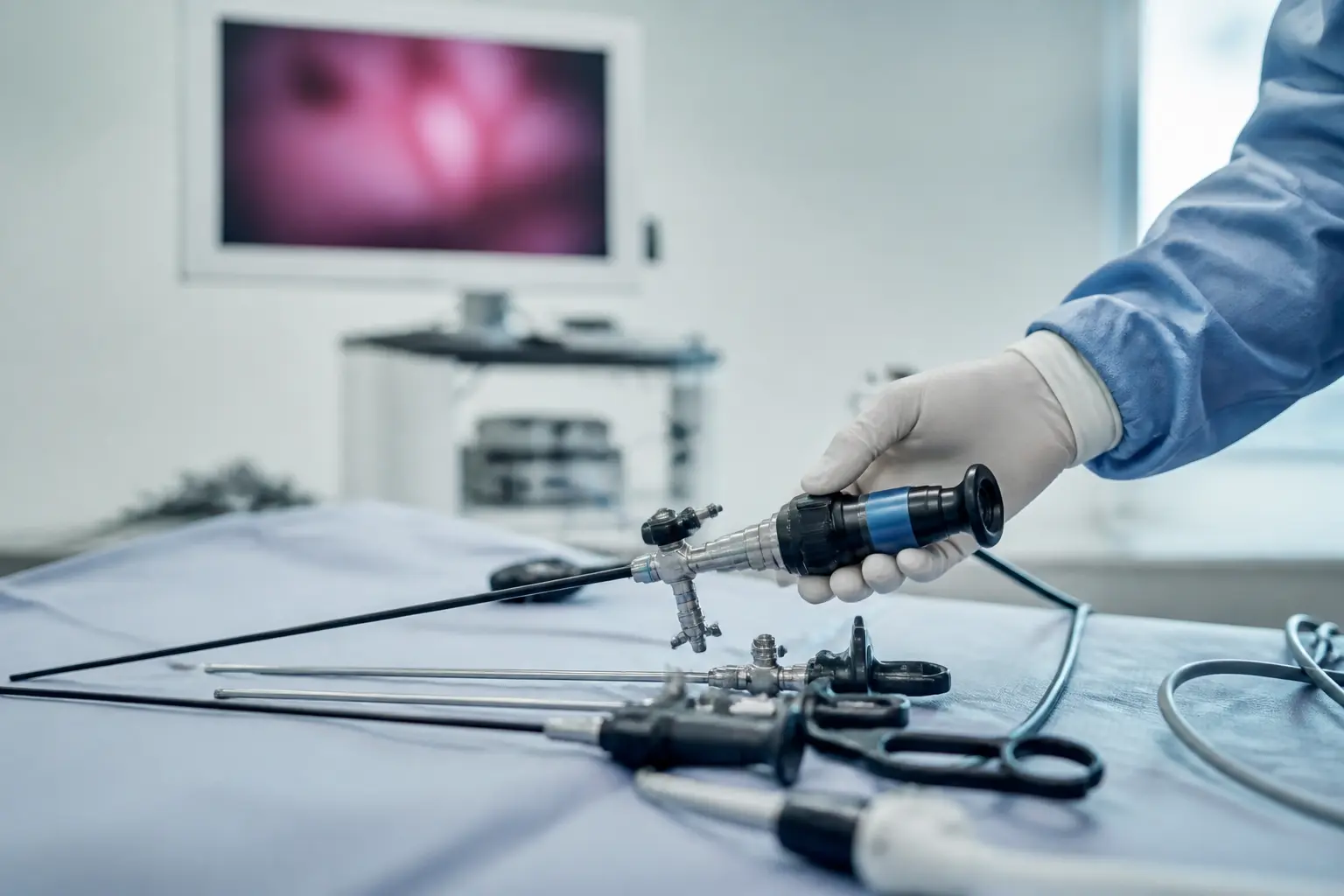
Dr. Joseph Gharios provides keyhole surgery in Lebanon for selected digestive, hernia, colorectal, bariatric, and abdominal conditions when a minimally invasive approach is clinically appropriate.
The objective is to perform the required operation effectively while minimizing surgical trauma and supporting a smoother postoperative recovery.
What Is Keyhole Surgery?
Keyhole surgery is another term for laparoscopic surgery.
During the procedure, the surgeon makes small incisions in the abdomen. A laparoscope—a thin instrument equipped with a camera—is introduced to provide a magnified view of the surgical area.
Specialized instruments are then inserted through additional small incisions, allowing the surgeon to perform the procedure while viewing the operative field on a high-definition monitor.
Although the access is minimally invasive, the fundamental surgical objectives remain the same as with conventional surgery.
When Can Laparoscopic Surgery Be Used?
Laparoscopic techniques can be used for a range of surgical conditions. Whether they are appropriate depends on the diagnosis, anatomy, complexity of the procedure, previous operations, and individual patient factors.
Applications may include:
- Gallbladder surgery
- Hiatal hernia repair
- Inguinal and abdominal wall hernia repair
- Colorectal surgery
- Bariatric surgery
- Selected adrenal procedures
- Other abdominal surgical procedures
Not every operation should be performed laparoscopically. The surgical approach is selected according to what is most appropriate and safe for the individual patient.
Potential Benefits of Laparoscopic Surgery
For appropriately selected patients, laparoscopic surgery may offer advantages compared with traditional open surgery, including:
- Smaller incisions
- Reduced postoperative discomfort
- Shorter hospital stay for selected procedures
- Earlier mobilization
- Faster return to daily activities
- Smaller surgical scars
Recovery still varies according to the procedure performed, the underlying condition, and the patient's overall health.
Laparoscopic Gallbladder Surgery
Laparoscopic cholecystectomy is commonly used to remove the gallbladder in patients with symptomatic gallstones, recurrent biliary colic, cholecystitis, and selected other gallbladder conditions.
The gallbladder is removed through small abdominal incisions using a camera and specialized instruments.
Laparoscopic Hiatal Hernia Repair
Selected hiatal hernias can be repaired laparoscopically.
During surgery, the stomach is repositioned below the diaphragm and the enlarged opening through which the hernia developed is repaired. An anti-reflux procedure may also be performed when clinically indicated.
Laparoscopic Hernia Surgery
Minimally invasive techniques can be used for selected inguinal and abdominal wall hernias.
The choice between laparoscopic and open repair depends on factors such as the type and location of the hernia, whether it is recurrent or bilateral, previous operations, and patient anatomy.
Laparoscopic Colorectal Surgery
Selected operations involving the colon and rectum can be performed using minimally invasive techniques.
Laparoscopic access allows the surgeon to perform the required procedure through smaller incisions while maintaining the principles of colorectal surgery.
Laparoscopic Bariatric Surgery
Bariatric procedures such as sleeve gastrectomy and gastric bypass can be performed using minimally invasive techniques in appropriately selected patients.
The choice of procedure depends on BMI, metabolic health, reflux, previous surgery, eating patterns, and long-term treatment objectives.
Laparoscopic vs. Open Surgery
The main difference between laparoscopic and open surgery is how the surgeon accesses the operative area.
Laparoscopic surgery uses several small incisions, a camera, and specialized instruments.
Open surgery uses a larger incision to provide direct access to the surgical area.
Minimally invasive surgery may provide recovery-related benefits in appropriate cases, but open surgery remains necessary or preferable for certain conditions.
The goal is therefore not to choose the smallest incision at all costs, but to select the surgical approach best suited to the patient's condition.
Laparoscopic vs. Robotic Surgery
Both laparoscopic and robotic-assisted surgery are minimally invasive approaches.
During conventional laparoscopic surgery, the surgeon directly controls specialized instruments while viewing the operative field on a monitor.
During robotic-assisted surgery, the surgeon controls articulated robotic instruments from a surgical console.
The appropriate approach depends on the operation, its complexity, patient anatomy, previous surgery, and clinical considerations.
Recovery After Keyhole Surgery
Recovery varies according to the type and complexity of the procedure rather than the size of the incisions alone.
Depending on the operation, postoperative care may include:
- Early walking and mobilization
- Pain management
- Wound care
- Progressive return to eating
- Guidance on lifting and exercise
- Return-to-work recommendations
- Scheduled surgical follow-up
Patients receive recovery instructions tailored to the specific procedure performed.
References
- Society of American Gastrointestinal and Endoscopic Surgeons (SAGES)
- European Association for Endoscopic Surgery (EAES)
- American College of Surgeons (ACS)
- Evidence-based guidelines for minimally invasive surgery
Frequently Asked Questions
Is keyhole surgery the same as laparoscopic surgery?
Yes. Keyhole surgery is a commonly used term for laparoscopic surgery, which involves performing an operation through small incisions using a camera and specialized instruments.
Is laparoscopic surgery suitable for everyone?
No. Suitability depends on the condition being treated, patient anatomy, previous operations, overall health, and the complexity of the procedure.
Is keyhole surgery safer than open surgery?
Both approaches can be appropriate depending on the condition. Laparoscopic surgery offers certain potential recovery benefits, but the safest approach must be determined individually.
Does laparoscopic surgery leave scars?
Yes, but the incisions are generally smaller than those required for conventional open surgery. Scar appearance varies between patients and procedures.
How long does recovery take after laparoscopic surgery?
There is no single recovery period for all laparoscopic procedures. Recovery depends on the type of operation, underlying condition, complexity, and individual patient factors.
Can hernia surgery be performed laparoscopically?
Yes. Selected inguinal and abdominal wall hernias may be repaired laparoscopically. The appropriate technique depends on the characteristics of the hernia and the individual patient.
What is the difference between laparoscopic and robotic surgery?
Both use minimally invasive access. With laparoscopic surgery, the surgeon directly manipulates the instruments. With robotic-assisted surgery, the surgeon controls robotic instruments from a console.