
Pilonidal Laser Surgery in Lebanon A Minimally Invasive Approach to Selected Pilonidal Sinus Cases
Pilonidal disease can cause recurrent pain, swelling, infection, and drainage near the tailbone. While traditional surgical excision remains appropriate for certain cases, selected patients may benefit from a less invasive approach.
Book Your Consultation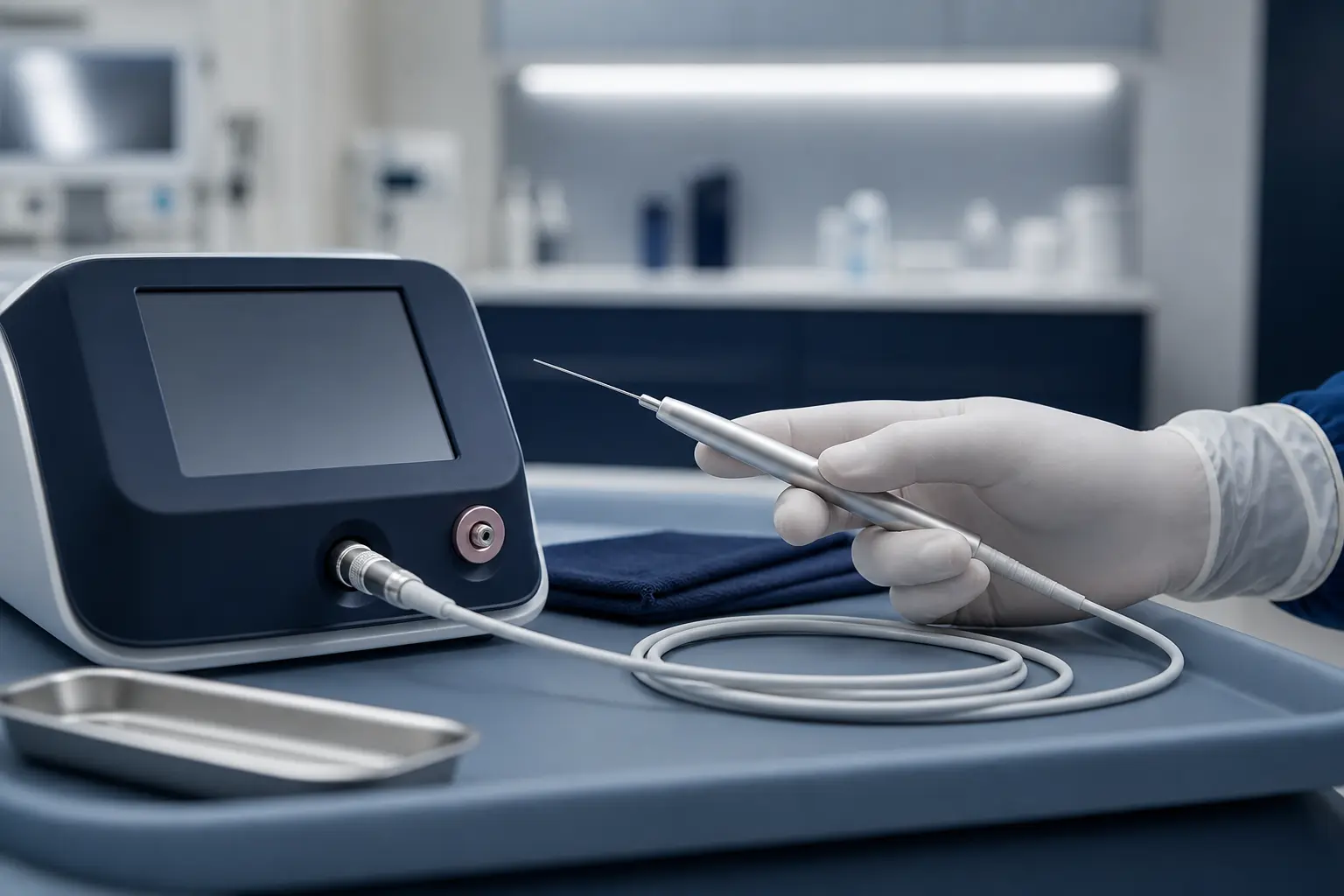
Dr. Joseph Gharios provides pilonidal laser surgery in Lebanon for appropriately selected patients. The technique uses laser energy to treat the pilonidal sinus tract while limiting disruption to surrounding healthy tissue.
The choice between laser treatment and conventional pilonidal cyst surgery in Lebanon depends on the extent of the disease, number of sinus tracts, previous infections or procedures, and individual patient factors.
What Is Pilonidal Laser Surgery?
Pilonidal laser surgery is a minimally invasive technique used to treat selected cases of pilonidal sinus disease.
Instead of removing a larger area of tissue through conventional excision, a laser fiber is introduced into the sinus tract. Laser energy is then applied within the tract with the aim of treating the affected tissue and promoting closure.
The procedure is designed to minimize unnecessary tissue disruption while treating the underlying pilonidal sinus.
Who May Be a Candidate for Pilonidal Laser Surgery?
Laser treatment is not appropriate for every patient with pilonidal disease.
Suitability depends on clinical evaluation and factors such as:
- Number of sinus openings
- Extent and complexity of the sinus tracts
- Presence of active infection
- Previous episodes of pilonidal disease
- Previous surgical procedures
- Recurrent disease
- Individual anatomy
Careful patient selection is important when determining whether laser treatment or another surgical technique is more appropriate.
How Does Pilonidal Laser Surgery Work?
The procedure involves identifying and treating the pilonidal sinus tract through a minimally invasive approach.
Depending on the individual case, treatment generally involves:
- Identifying the sinus openings and tracts
- Cleaning the affected tract
- Introducing a specialized laser fiber
- Applying controlled laser energy within the tract
- Treating the diseased tissue while limiting damage to surrounding healthy tissue
The exact technique is adapted according to the anatomy and extent of the pilonidal disease.
Potential Benefits of a Laser Approach
For appropriately selected patients, pilonidal laser surgery may offer potential advantages associated with a minimally invasive approach, including:
- Smaller wounds
- Limited surrounding tissue disruption
- Reduced need for extensive surgical excision
- Potentially less postoperative discomfort
- Potentially faster return to daily activities
- Smaller scars
Individual recovery and outcomes vary according to the extent of disease and patient-specific factors.
Laser Treatment vs. Pilonidal Cyst Excision
There is no single procedure that is appropriate for every case of pilonidal disease.
Pilonidal Laser Surgery
Laser treatment uses a minimally invasive approach to treat the sinus tract internally and may be suitable for selected patients.
Pilonidal Cyst Excision
Conventional pilonidal cyst surgery removes the affected pilonidal tissue and sinus tracts. It may be more appropriate for extensive, complex, or selected recurrent disease.
The choice is based on the characteristics of the disease rather than simply selecting the least invasive technique.
What If There Is an Active Pilonidal Abscess?
An acute pilonidal abscess may cause:
- Significant pain
- Swelling
- Redness
- Tenderness
- Pus or drainage
- Difficulty sitting comfortably
When an active abscess is present, immediate treatment may focus on controlling and draining the infection.
Definitive treatment of the underlying pilonidal sinus can then be planned according to the patient's condition and disease anatomy.
Can Laser Surgery Be Used for Recurrent Pilonidal Disease?
Patients with recurrent pilonidal disease require careful reassessment before another procedure is selected.
Previous scars, sinus anatomy, the number of tracts, previous treatment, and the extent of recurrent disease can all influence the surgical plan.
Laser treatment may be considered in selected recurrent cases, but it is not automatically appropriate for every patient who has undergone previous surgery.
Recovery After Pilonidal Laser Surgery
Recovery depends on the extent of the disease and the procedure performed.
Post-treatment recommendations may include:
- Keeping the treated area clean
- Appropriate wound care
- Pain management when required
- Early mobilization
- Avoiding excessive pressure on the area when advised
- Hair management when appropriate
- Attending scheduled follow-up appointments
Patients receive individualized instructions based on their procedure and healing progress.
Reducing the Risk of Recurrence
Pilonidal disease can recur even after appropriate treatment.
Depending on the individual case, measures that may help reduce contributing factors include:
- Maintaining good local hygiene
- Keeping the area dry
- Reducing prolonged friction
- Appropriate hair management when recommended
- Following postoperative care instructions
- Attending follow-up appointments
Any new swelling, drainage, or discomfort should be evaluated rather than ignored.
References
- European Society of Coloproctology (ESCP)
- American Society of Colon and Rectal Surgeons (ASCRS)
- Evidence-based literature on minimally invasive treatment of pilonidal sinus disease
Frequently Asked Questions
What is pilonidal laser surgery?
Pilonidal laser surgery is a minimally invasive technique in which laser energy is delivered within the pilonidal sinus tract to treat affected tissue and promote closure.
Is laser surgery suitable for every pilonidal cyst?
No. Suitability depends on the extent and complexity of the disease, sinus anatomy, active infection, previous procedures, and other individual factors.
What is the difference between laser surgery and pilonidal cyst excision?
Laser surgery treats selected sinus tracts through a minimally invasive approach, while conventional excision involves surgically removing affected tissue. The appropriate technique depends on the individual case.
Does pilonidal laser surgery leave a scar?
Because the technique uses limited access to the sinus tract, wounds may be smaller than with more extensive excisional procedures. Healing and scar appearance vary between patients.
Can pilonidal disease return after laser treatment?
Yes. Recurrence is possible after any treatment for pilonidal disease. Long-term outcomes depend on disease characteristics, treatment selection, healing, and individual factors.
Can laser surgery be performed if I previously had pilonidal surgery?
It may be considered in selected recurrent cases. Previous surgery and current sinus anatomy must be assessed before determining whether laser treatment is appropriate.
Is pilonidal laser surgery the same as laser hair removal?
No. Pilonidal laser surgery treats the sinus tract itself. Laser hair removal targets hair growth and may sometimes be considered separately as part of longer-term management.