
Sleeve Gastrectomy in Lebanon A Personalized Surgical Approach to Obesity & Metabolic Health
Sleeve gastrectomy is a bariatric procedure designed to support significant, sustained weight loss in appropriately selected patients with obesity. It works by reducing the size of the stomach and influencing mechanisms involved in appetite and food intake.
Book Your Consultation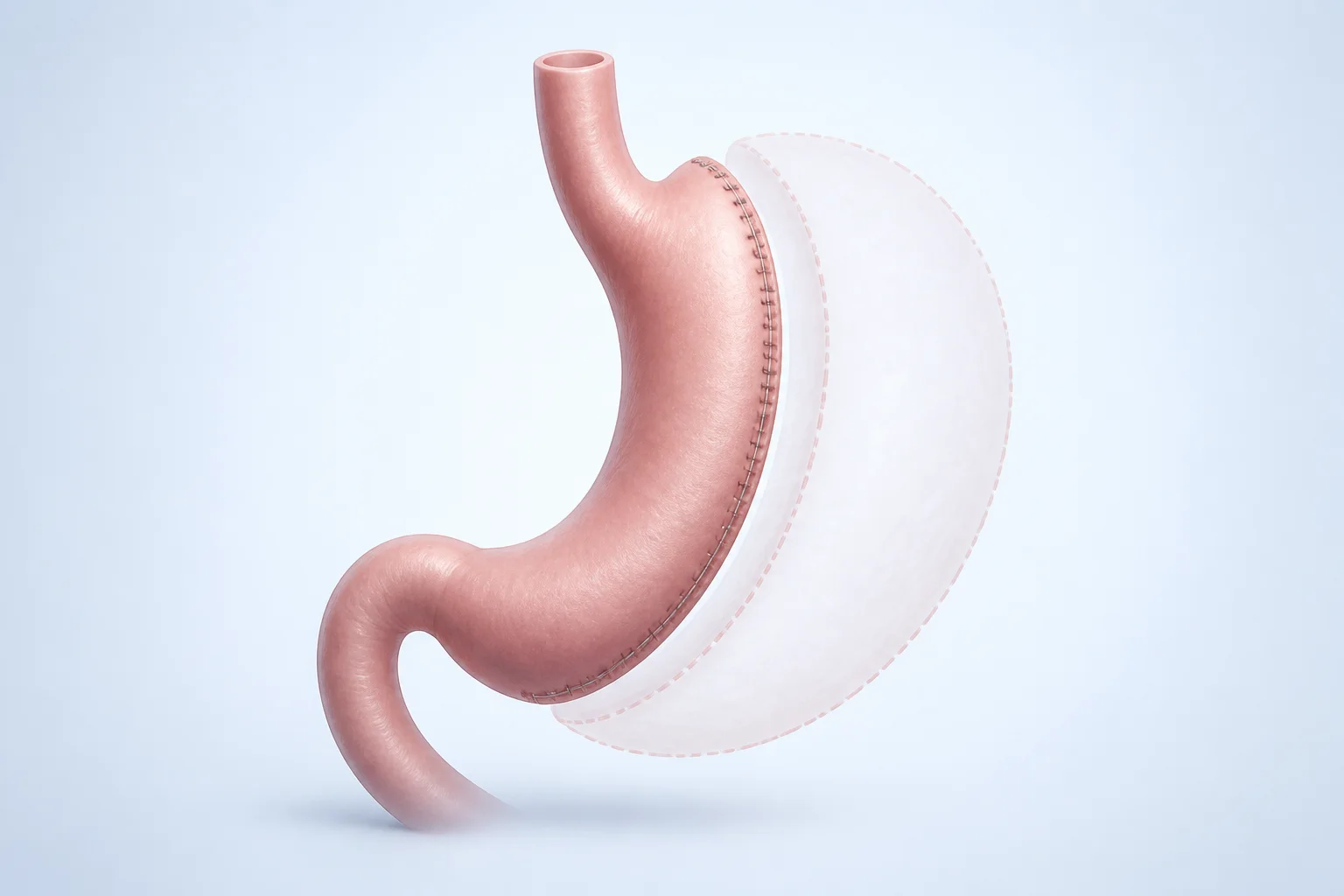
Dr. Joseph Gharios provides sleeve gastrectomy in Lebanon as part of an individualized approach to obesity management. The decision to undergo surgery follows a comprehensive assessment of the patient's weight history, BMI, obesity-related conditions, previous weight-loss attempts, eating patterns, and overall health.
The objective extends beyond weight loss to improving health, metabolic outcomes, and long-term quality of life.
What Is Sleeve Gastrectomy?
Sleeve gastrectomy, also known as gastric sleeve surgery, is a bariatric procedure in which a large portion of the stomach is removed, leaving a smaller, tube-shaped stomach.
The procedure:
- Reduces stomach capacity
- Helps patients feel full after smaller meals
- Influences appetite-related hormonal signals
- Supports significant weight loss when combined with long-term lifestyle changes
Unlike gastric bypass, sleeve gastrectomy does not reroute the intestines.
Who May Be a Candidate for Sleeve Surgery?
Sleeve surgery in Lebanon may be considered for patients with obesity who meet appropriate medical and surgical criteria.
Evaluation considers factors including:
- Body Mass Index (BMI)
- Obesity-related health conditions
- Previous weight-management attempts
- Eating behaviors
- Medical and surgical history
- Metabolic health
- Psychological readiness
- Ability to commit to long-term nutritional and medical follow-up
Bariatric surgery should not be considered based on weight alone. Patient selection requires a comprehensive assessment to determine whether surgery is appropriate and which procedure best suits the individual's needs.
Health Conditions Associated with Obesity
Obesity can affect multiple systems in the body and may be associated with conditions such as:
- Type 2 diabetes
- High blood pressure
- Sleep apnea
- Dyslipidemia
- Joint and mobility problems
- Metabolic disease
- Reduced quality of life
For selected patients, bariatric surgery may contribute to improvement in obesity-related health conditions alongside significant weight reduction.
How Is Sleeve Gastrectomy Performed?
Sleeve gastrectomy is generally performed using a minimally invasive laparoscopic approach.
During the procedure, part of the stomach is surgically removed, creating a smaller stomach with a sleeve-like shape while maintaining the normal pathway of food through the digestive system.
A minimally invasive approach may offer benefits such as:
- Smaller incisions
- Reduced postoperative discomfort
- Shorter hospital stay
- Faster recovery compared with traditional open surgery
The specific surgical plan is determined according to the patient's anatomy, medical history, and individual clinical circumstances.
Sleeve Gastrectomy vs. Gastric Bypass
Sleeve gastrectomy and gastric bypass are both established bariatric procedures, but they work differently.
Sleeve gastrectomy reduces the size of the stomach without rerouting the intestines.
Gastric bypass creates a smaller stomach pouch and alters part of the digestive pathway, producing both restrictive and metabolic effects.
Factors that may influence procedure selection include:
- BMI
- Reflux disease
- Type 2 diabetes
- Eating patterns
- Previous abdominal or bariatric surgery
- Individual metabolic profile
- Long-term treatment objectives
No single bariatric procedure is appropriate for every patient.
Sleeve Gastrectomy & Acid Reflux
Gastroesophageal reflux disease (GERD) is an important consideration when selecting a bariatric procedure.
Some patients may experience new or worsening reflux following sleeve gastrectomy. For patients with significant pre-existing reflux or certain hiatal hernias, another bariatric procedure may sometimes be more appropriate.
For this reason, symptoms and digestive history should be carefully assessed before selecting sleeve surgery.
Life After Sleeve Gastrectomy
Sleeve gastrectomy is not an isolated weight-loss procedure. Long-term results depend on continued changes in nutrition, activity, and health behaviors.
After surgery, patients follow a progressive nutritional plan that allows the stomach to heal before gradually returning to appropriate solid foods.
Long-term care may include:
- Nutritional guidance
- Vitamin and mineral monitoring
- Regular blood tests
- Physical activity
- Weight monitoring
- Medical follow-up
- Management of obesity-related conditions
Continued follow-up is an essential part of bariatric care.
Weight Loss After Sleeve Surgery
Weight loss occurs progressively after sleeve gastrectomy and varies between patients.
Results depend on several factors, including:
- Starting weight and BMI
- Eating habits
- Physical activity
- Metabolic health
- Adherence to nutritional recommendations
- Long-term follow-up
The objective is not simply rapid weight loss, but sustainable improvement in weight and overall health.
References
- International Federation for the Surgery of Obesity and Metabolic Disorders (IFSO)
- American Society for Metabolic and Bariatric Surgery (ASMBS)
- European Association for Endoscopic Surgery (EAES)
- Evidence-based international guidelines for metabolic and bariatric surgery
Frequently Asked Questions
What is sleeve gastrectomy?
Sleeve gastrectomy is a bariatric procedure that removes a large portion of the stomach, creating a smaller sleeve-shaped stomach. It helps reduce food intake and influences appetite-related mechanisms.
Is sleeve gastrectomy the same as gastric bypass?
No. Sleeve gastrectomy reduces stomach size without rerouting the intestines. Gastric bypass creates a smaller stomach pouch and changes part of the digestive pathway.
How do I know if I qualify for sleeve surgery?
Eligibility depends on BMI, obesity-related health conditions, previous weight-management attempts, medical history, and other individual factors. A comprehensive bariatric evaluation is required.
Is sleeve surgery performed laparoscopically?
Sleeve gastrectomy is commonly performed using minimally invasive laparoscopic techniques when clinically appropriate.
Can sleeve gastrectomy improve diabetes?
Weight loss and metabolic changes following bariatric surgery may improve type 2 diabetes in appropriately selected patients. Individual outcomes vary.
Can I regain weight after sleeve gastrectomy?
Weight regain can occur after bariatric surgery. Long-term nutrition, physical activity, behavioral changes, and medical follow-up are important for maintaining results.
Can sleeve gastrectomy cause reflux?
Some patients can develop or experience worsening gastroesophageal reflux after sleeve gastrectomy. Pre-existing reflux is therefore an important consideration when selecting the most appropriate bariatric procedure.
Will I need follow-up after sleeve surgery?
Yes. Long-term medical and nutritional follow-up is an essential part of bariatric treatment and helps monitor weight, nutritional status, and overall health.