
Groin Hernia Treatment in Lebanon Specialized Diagnosis & Surgical Repair of Inguinal Hernias
An inguinal hernia, commonly known as a groin hernia, occurs when tissue or part of the intestine pushes through a weak area in the lower abdominal wall. It may appear as a visible bulge in the groin and can cause pain, pressure, or discomfort, particularly during physical activity.
Book Your Consultation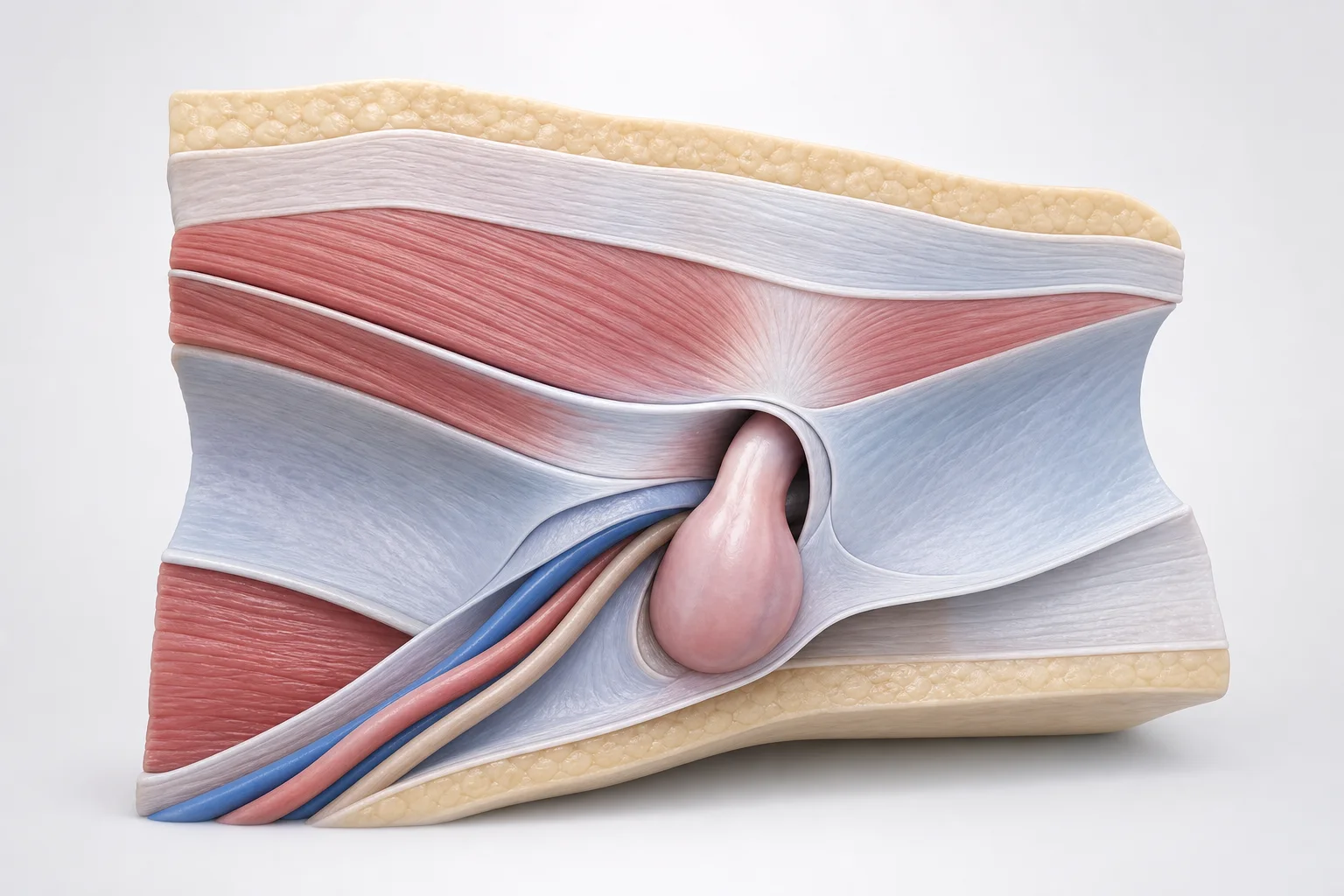
Dr. Joseph Gharios provides evaluation and surgical treatment for patients with a groin hernia in Lebanon, using an individualized approach to determine whether repair is necessary and which surgical technique is most appropriate.
Treatment options may include open or minimally invasive repair, with mesh reinforcement used when clinically appropriate.
What Is an Inguinal Hernia?
An inguinal hernia develops in the groin area when abdominal tissue protrudes through a weakness in the abdominal wall.
Inguinal hernias may develop gradually and become more noticeable during activities that increase pressure inside the abdomen, such as coughing, lifting, exercising, or straining.
Some hernias cause few symptoms, while others progressively become larger or more uncomfortable.
Because a hernia does not repair itself naturally, evaluation helps determine whether monitoring or surgical treatment is the appropriate approach.
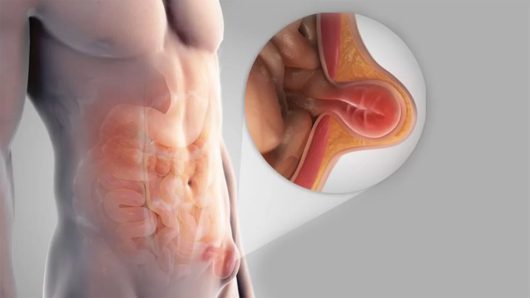
Common Symptoms of a Groin Hernia
Symptoms can vary from one patient to another.
Common signs include:
- A visible or noticeable bulge in the groin
- Groin pain or discomfort
- A feeling of heaviness or pressure
- Burning or aching around the hernia
- Discomfort during lifting or physical activity
- A bulge that becomes more noticeable when standing, coughing, or straining
Sudden severe pain, vomiting, or a painful bulge that cannot be pushed back may indicate a complication and requires urgent medical assessment.
When Does an Inguinal Hernia Need Surgery?
Not every inguinal hernia requires immediate surgery.
The decision depends on factors such as:
- Presence and severity of symptoms
- Size of the hernia
- Changes over time
- Impact on daily activities
- Patient age and general health
- Previous hernia repairs
- Risk of complications
Surgery is commonly considered when the hernia causes pain, limits activity, becomes progressively larger, or presents other clinical concerns.
The decision is made individually after clinical evaluation.
Inguinal Hernia Repair
The objective of inguinal hernia surgery is to return the protruding tissue to its normal position and reinforce the weakened area of the abdominal wall.
The appropriate technique depends on the characteristics of the hernia and the individual patient.
Open Inguinal Hernia Repair
Open repair is performed through an incision in the groin.
The hernia is repaired and the weakened abdominal wall may be reinforced with surgical mesh.
Open surgery may be appropriate for selected primary or complex inguinal hernias depending on the patient's condition.
Laparoscopic Inguinal Hernia Repair
Laparoscopic repair is performed through small abdominal incisions using a camera and specialized surgical instruments.
For appropriately selected patients, potential advantages may include:
- Smaller incisions
- Reduced postoperative discomfort
- Faster return to normal activities
- Treatment of bilateral hernias through the same minimally invasive approach
The choice between open and laparoscopic repair is based on the type of hernia, previous operations, anatomy, symptoms, and other patient-specific factors.
Hernia Mesh Surgery in Lebanon
Surgical mesh is commonly used to reinforce the weakened area of the abdominal wall during inguinal hernia repair.
In hernia mesh surgery in Lebanon, the type of mesh and repair technique should be selected according to the individual hernia and patient characteristics.
Factors considered may include:
- Hernia size and location
- Primary or recurrent hernia
- Open versus minimally invasive approach
- Previous abdominal surgery
- Patient-specific risk factors
Mesh is not approached as a one-size-fits-all solution. Appropriate selection, positioning, and surgical technique are important considerations in achieving a durable repair.
Recurrent Inguinal Hernia
An inguinal hernia can sometimes return after a previous repair.
Management of a recurrent hernia requires evaluation of:
- The previous surgical technique
- Whether mesh was previously used
- Location and size of the recurrence
- Symptoms
- Patient anatomy and medical history
A different surgical approach may sometimes be selected for recurrent hernias depending on how the original repair was performed.
Recovery After Inguinal Hernia Surgery
Recovery varies according to the type of repair, the patient's general health, and the complexity of the hernia.
Patients are generally encouraged to begin gentle movement after surgery, while the return to work, exercise, and heavier physical activity is individualized.
Postoperative instructions may cover:
- Wound care
- Pain management
- Walking and daily movement
- Return to work
- Exercise and lifting
- Follow-up appointments
Following the recommended recovery plan helps support healing and a safe return to normal activity.
References
- European Hernia Society (EHS)
- International Guidelines for Groin Hernia Management
- American College of Surgeons (ACS)
- Society of American Gastrointestinal and Endoscopic Surgeons (SAGES)
Frequently Asked Questions
Is a groin hernia the same as an inguinal hernia?
An inguinal hernia is a common type of groin hernia. It develops when tissue protrudes through a weak area in the lower abdominal wall near the inguinal canal.
Can an inguinal hernia heal without surgery?
A true inguinal hernia does not close on its own. However, not every patient requires immediate surgery. The appropriate approach depends on symptoms, clinical findings, and individual risk factors.
When should I consider surgery for a groin hernia?
Surgery may be considered when the hernia causes pain or discomfort, interferes with daily activities, increases in size, or presents a risk of complications.
Is mesh always used for inguinal hernia surgery?
Mesh reinforcement is commonly used in adult inguinal hernia repair, but the surgical technique is selected according to the individual patient and characteristics of the hernia.
Is laparoscopic surgery better than open hernia surgery?
Neither approach is automatically better for every patient. The appropriate technique depends on factors such as the type of hernia, whether it is unilateral or bilateral, previous surgery, recurrence, anatomy, and overall health.
Can an inguinal hernia come back after surgery?
Recurrence is possible after any hernia repair. Appropriate technique, individualized surgical planning, and postoperative care are important factors in reducing recurrence risk.
How long does recovery take after inguinal hernia surgery?
Recovery varies between patients and according to the surgical technique. The surgeon provides individualized guidance regarding work, exercise, lifting, and return to normal activities.