Dr. Joseph Gharios
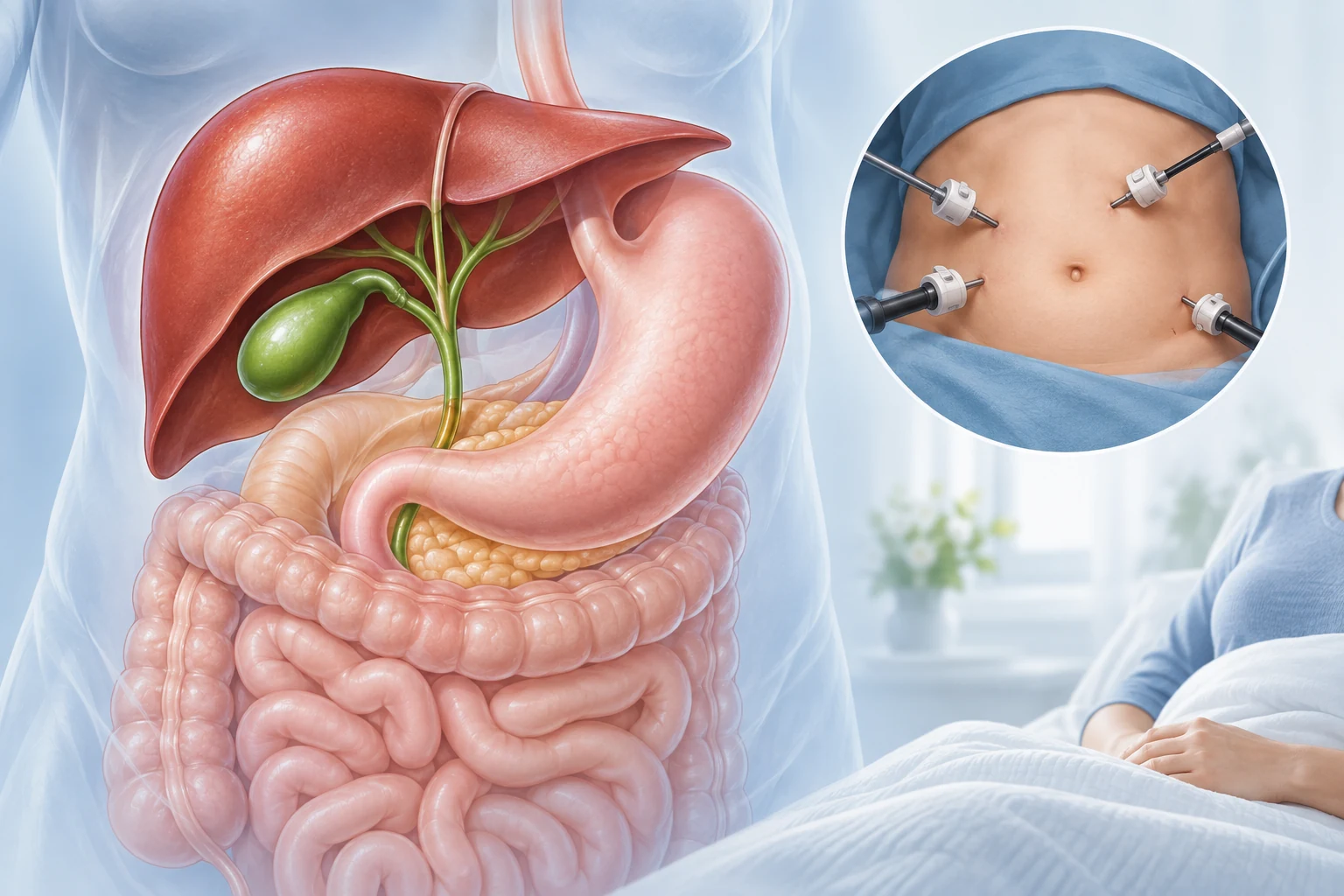
Gallbladder removal, or cholecystectomy, is commonly performed when gallstones cause recurrent pain, inflammation, or other complications. Many planned procedures are performed laparoscopically through small incisions.
After surgery, patients often ask: Which symptoms after gallbladder surgery are normal? What can I eat? When can I return to normal activities? And can I drink alcohol after gallbladder surgery? Knowing what to expect can make recovery easier and help you recognize when a symptom needs medical attention.
What Happens After Gallbladder Surgery?
The gallbladder stores bile produced by the liver and releases it during digestion. After the gallbladder is removed, the liver continues to produce bile, which flows through the bile ducts into the small intestine.
Some people notice temporary digestive changes while their body adjusts. Recovery varies depending on whether the operation was planned or urgent, how much inflammation was present, the surgical approach, and the patient’s overall health.
Read more about digestive and gallbladder surgery.
Common Symptoms After Gallbladder Surgery
Some discomfort can occur during the early recovery period. Your symptoms should generally improve over time. Follow the instructions you received from your surgical team, since recovery is different for each person.
Abdominal Pain and Tenderness
Mild to moderate soreness around the incisions and in the abdomen is common after surgery. The important point is that the pain should generally improve rather than become worse.
Bloating and Gas
Temporary bloating and gas may occur after surgery. Gentle movement and walking, as recommended by your surgeon, can help as recovery progresses.
Shoulder Discomfort
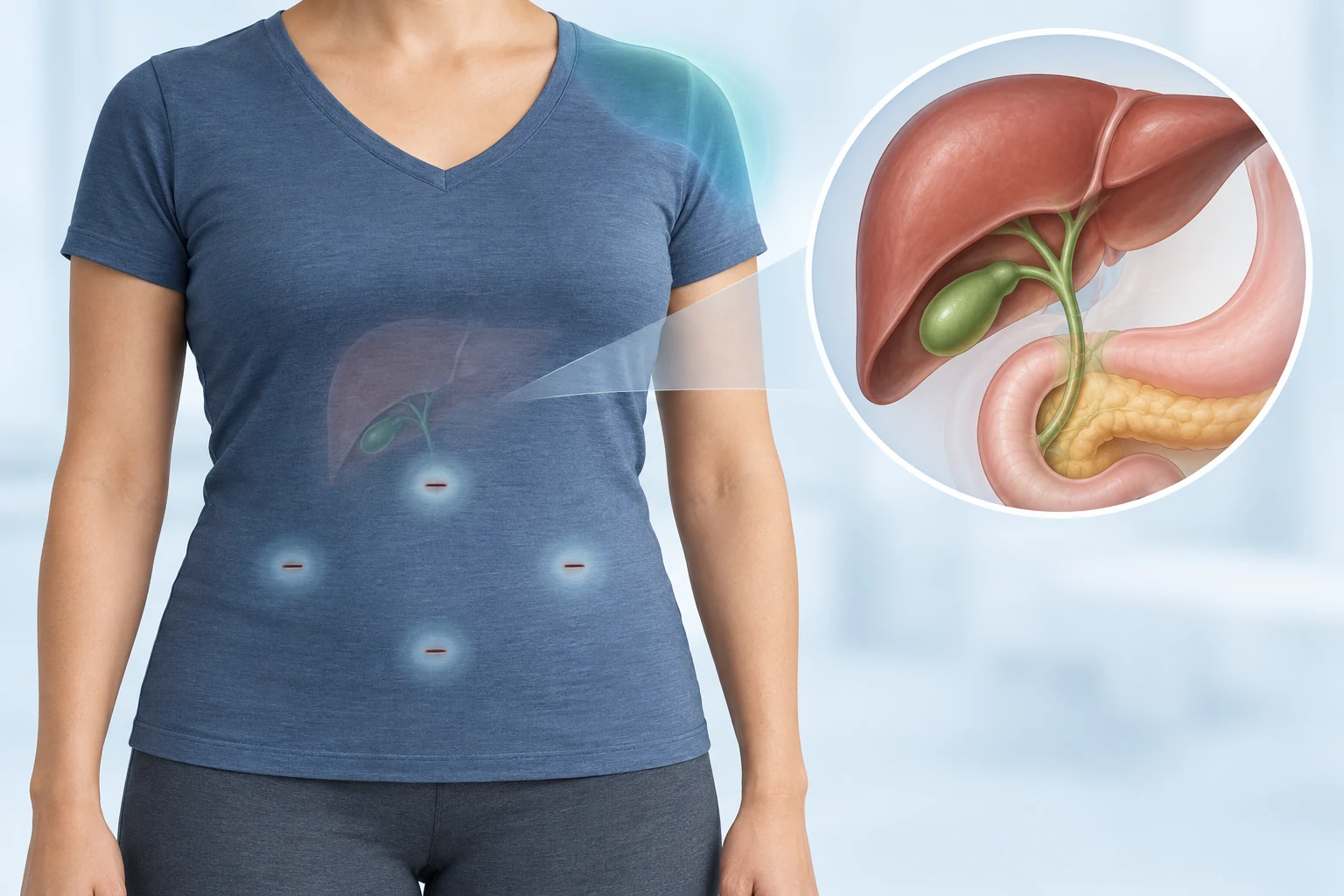
Some patients have temporary shoulder discomfort after laparoscopic surgery. This can be related to the carbon dioxide gas used to create space in the abdomen during the procedure.
Changes in Digestion
Some people experience temporary changes in bowel habits, such as:
- Loose stools
- Diarrhea
- More frequent bowel movements
- Bloating after certain foods
Persistent or severe digestive symptoms should be discussed with your doctor.
Fatigue
Even after minimally invasive surgery, your body needs time to recover from the operation and anesthesia. Feeling more tired than usual during early recovery can happen.
What Should I Eat After Gallbladder Surgery?
Most patients do not need to follow a permanently restrictive diet after gallbladder removal.
During early recovery, smaller and lighter meals may be easier to tolerate. It may help to temporarily reduce very fatty or fried foods, heavy sauces, and large portions.
You can gradually reintroduce foods according to your tolerance and your surgeon’s recommendations. If a particular food repeatedly causes symptoms, discuss it with your care team.
Can I Drink Alcohol After Gallbladder Surgery?
There is no single timeline that is right for every patient. Alcohol should be avoided in the immediate postoperative period, while you are recovering from anesthesia, and whenever you are taking medicines that should not be combined with alcohol.
The American College of Surgeons advises patients to avoid alcohol for at least two days after an operation. Your own recovery, medicines, liver health, and discharge instructions may mean avoiding it for longer. Ask your surgeon when it is safe in your case.
A Patient Case: Persistent Pain Before an Emergency
One patient had abdominal pain, particularly after eating, for almost two years. The episodes lasted one to two hours and were often accompanied by bloating and nausea.
She initially managed the episodes with pain medication and continued her routine. When the pain later became much worse, she went to the emergency room. Blood tests and a CT scan showed gallbladder inflammation caused by a large gallstone, and she required urgent laparoscopic surgery.
This case illustrates why recurrent symptoms deserve medical assessment. It does not mean that every episode of abdominal pain requires surgery. As explained in Dr. Gharios’s digestive surgery information, laparoscopic cholecystectomy may be considered for symptomatic gallstones, recurrent biliary colic, and selected cases of gallbladder inflammation.
When Should I Contact My Surgeon After Gallbladder Surgery?
While some symptoms can occur during recovery, contact your surgeon or care team for advice if you have:
- Abdominal pain that is increasing rather than improving
- Persistent fever or chills
- Significant redness, swelling, or discharge around an incision
- Persistent vomiting or difficulty keeping liquids down
- Yellowing of the skin or eyes
- Increasing abdominal swelling
- Difficulty eating or drinking
- Severe or persistent diarrhea
Severe or rapidly worsening symptoms may need urgent medical evaluation. Follow the emergency instructions provided by your surgical team.